Teaching the Muscles to Support Better Breathing

Myofunctional therapy helps retrain the tongue, lips, and facial muscles to support healthy breathing, swallowing, and long-term stability.The muscles of the mouth and face play an essential role in how we breathe, sleep, speak, and swallow.
When those muscles are not functioning properly, the body develops compensations that can affect jaw development, airway health, and treatment stability over time. Myofunctional therapy is designed to retrain those patterns so the system can function the way it was intended to.


Physical Therapy for the Muscles of the Mouth and Face

Because proper function is learned and reinforced over time.
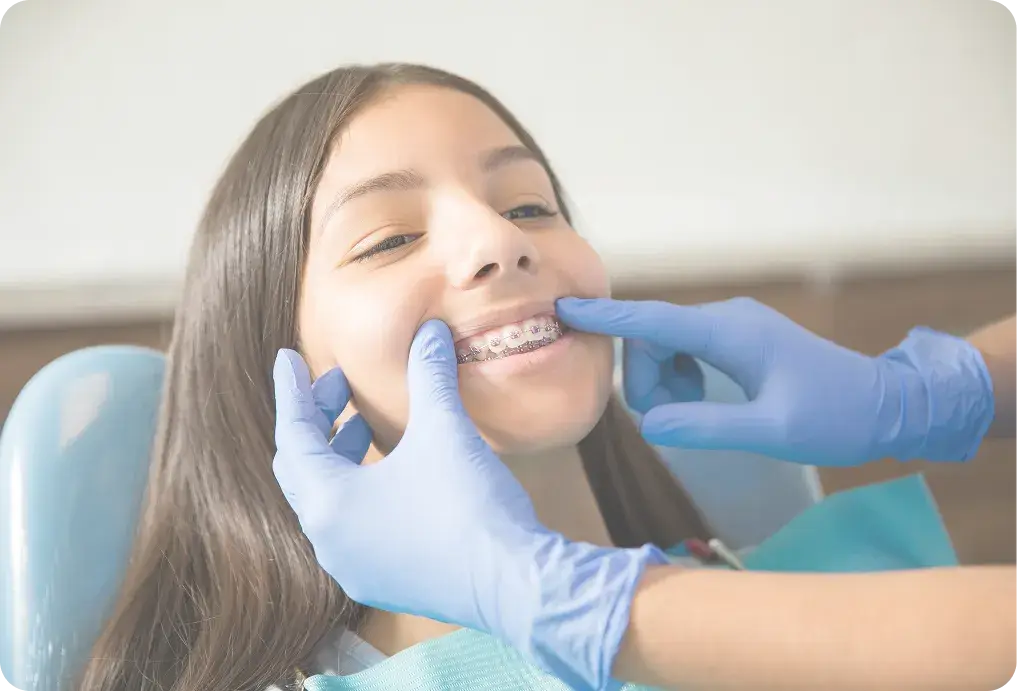
Myofunctional therapy uses targeted exercises to improve how the tongue, lips, cheeks, and jaw work together. The focus is on establishing healthy patterns for:
These patterns influence everything from facial development and orthodontic stability to sleep quality and airway function.

Structure Alone Does Not Guarantee Healthy Function

The body needs to know how to use the changes that treatment creates.
A tongue-tie release can improve mobility. An expander can create more space. An oral appliance can support the airway. But if the muscles continue to function the same way they always have, the body often returns to old habits. Myofunctional therapy helps bridge the gap between structural treatment and lasting results.

Helpful for Both Children and Adults

Because dysfunctional patterns can affect every stage of life.
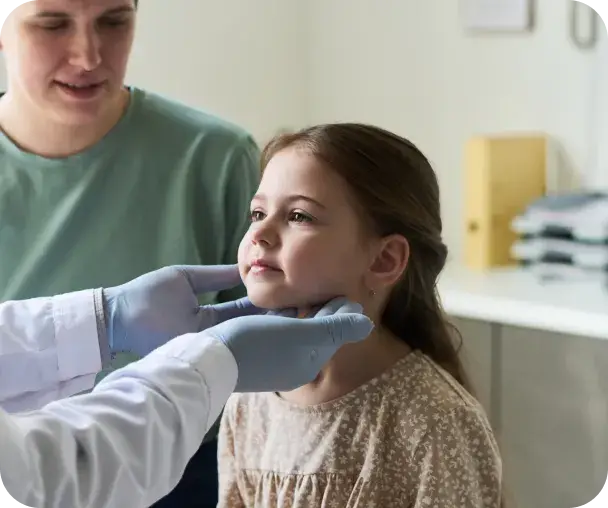
Myofunctional therapy may be beneficial for patients who experience:
Whether the goal is to support development in a child or improve function in an adult, therapy helps reinforce healthier patterns over time.

Often Part of a Larger Treatment Plan

Therapy helps prepare the body for treatment and supports stability afterward.
Myofunctional therapy is commonly recommended:
  • Before and after tongue-tie treatment
  • Alongside growth appliances
  • As part of sleep and airway therapy
  • To improve orthodontic stability
  • To support long-term functional outcome
By improving muscle coordination and breathing patterns, therapy helps maximize the effectiveness of other treatments.

Small Exercises, Meaningful Change

Consistency matters more than intensity.
Treatment involves a personalized series of exercises designed to retrain oral and facial muscle patterns. Patients receive:
The exercises are simple, but the impact can be significant when practiced consistently over time.

Function Is What Makes Results Last

Healthy patterns help support healthier outcomes.
Treatment can change structure, but myofunctional therapy helps change habits. By teaching the muscles to work properly, therapy helps patients breathe better, sleep better, and maintain the results of treatment more effectively over time.

Learn Whether Myofunctional Therapy May Help

A comprehensive evaluation can determine whether therapy should be part of your care plan.